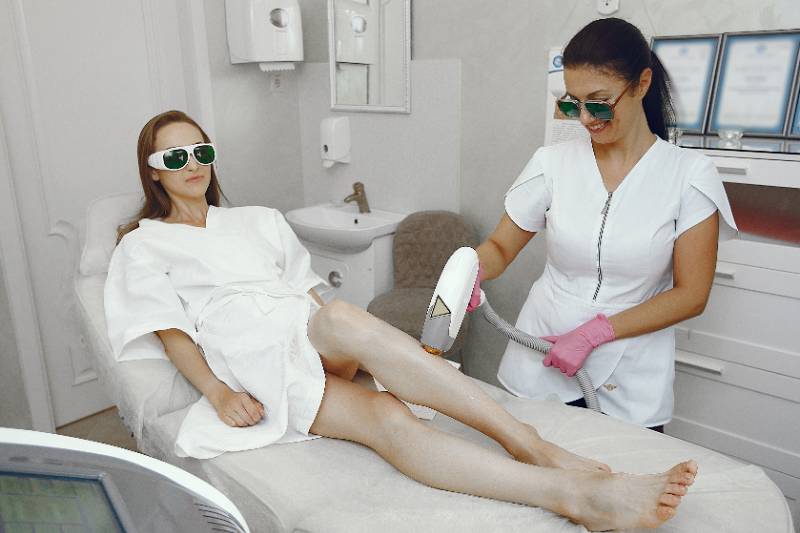
How do you care for your skin after laser hair removal? The short answer is gently, consistently, and with a bit of patience. The treatment itself only takes a few minutes per session, but what you do in the days and weeks afterward has a real effect on how your skin heals and how smooth your results end up looking. At Divine Laser & Skincare, clients are guided through every step of the process, and aftercare is treated as just as important as the treatment itself.
This guide walks through the basic do’s and don’ts of laser hair removal aftercare, what to expect during the healing period, and when it makes sense to reach out to your provider with questions.
Why Laser Hair Removal Aftercare Matters
Laser hair removal works by targeting the pigment in hair follicles with concentrated light, which heats and disables the follicle so hair growth slows down over time. That process leaves the skin around the treated area slightly irritated, similar to a mild sunburn. Redness, warmth, and small bumps around each follicle are common and usually settle within a few hours to a couple of days.
Proper post laser hair removal care helps the skin calm down faster, reduces the risk of irritation turning into something more noticeable like scarring or pigment changes, and supports the follicle-disabling process so the treatment actually delivers the results it’s meant to. Skipping aftercare doesn’t undo a session, but it can make the healing period longer and less comfortable than it needs to be.
Laser Hair Removal Aftercare Do’s
Keep the Skin Clean and Cool
For the first day or two after treatment, use lukewarm water rather than hot water on the treated area. A cool compress or a clean, damp cloth can help bring down any warmth or swelling. Pat the skin dry instead of rubbing it, since the area is more sensitive than usual right after a session.
Moisturize Regularly
A fragrance-free, gentle moisturizer helps support the skin barrier while it settles. Aloe vera gel is a common recommendation because it’s soothing and lightweight. Apply it as needed over the first few days, and continue with a basic moisturizer as part of your normal routine once the initial sensitivity fades.
Protect the Area from Sun Exposure
Treated skin is more reactive to UV light for several weeks afterward. Cover the area or apply a broad-spectrum sunscreen with at least SPF 30 whenever it will be exposed, even on cloudy days. This step matters for every laser hair treatment aftercare routine, since sun exposure on freshly treated skin raises the chance of dark or light patches forming.
Wear Loose, Breathable Clothing
Tight clothing can rub against treated skin and trap heat, both of which slow healing after laser. Loose cotton clothing gives the area room to breathe and reduces friction, particularly important for areas like the underarms, bikini line, or legs.
Follow Any Specific Instructions from Your Provider
Every clinic’s protocol is slightly different depending on the equipment used and the area treated. If your provider gives specific instructions about products to use or avoid, follow those over general advice found online, since they’ll be tailored to your skin and the technology used during your session.
Laser Hair Removal Aftercare Don’ts
Avoid Heat and Excessive Sweating
Hot showers, saunas, steam rooms, and intense exercise all raise skin temperature and can aggravate treated areas. It’s generally recommended to hold off on these for at least 24 to 48 hours after a session, giving the skin time to settle before it’s exposed to more heat.
Don’t Pick, Scratch, or Exfoliate
Small red bumps and mild flaking are a normal part of after care laser hair removal, but picking at them or exfoliating too soon can cause irritation, uneven pigment, or scarring. Let any flaking resolve on its own and keep exfoliating tools and scrubs away from the area for about a week.
Skip Harsh Skincare Products
Retinoids, acids, and strong fragranced products can be too aggressive for skin that’s still healing. Pause these products on the treated area until any redness or sensitivity has fully resolved, then reintroduce them gradually.
Avoid Sun Exposure and Tanning
This is worth repeating on its own, since it’s one of the most common causes of complications after treatment. Tanning beds and direct, unprotected sun exposure should be avoided for at least two weeks, and ideally longer, after each session.
Don’t Wax, Tweeze, or Use Depilatory Creams Between Sessions
These methods remove the hair from the root, which interferes with the laser’s ability to target the follicle at your next appointment. Shaving is the recommended way to manage hair growth between sessions.
Healing After Laser: What to Expect Over Time
Healing after laser hair removal generally follows a fairly predictable pattern, although the exact timeline can vary depending on your skin type, the area treated, and individual sensitivity. During the first 24 hours after treatment, it is normal to experience redness, warmth, and mild swelling around the hair follicles. Using a cool compress, cleansing the area gently, and avoiding heat can help keep the skin comfortable.
- Over the next one to three days, redness usually begins to fade, although the skin may still feel slightly sensitive.
- During this time, using a fragrance-free moisturizer and protecting the treated area from sun exposure can support the healing process.
- Between three and seven days after treatment, small bumps may appear as the treated hairs begin to shed.
- It is important not to pick or scratch the area and to keep the skin well hydrated.
Within one to two weeks, the treated hairs typically begin to shed naturally, and the skin will usually start to look and feel more normal. Continue using sunscreen and resume your gentle skincare routine as tolerated. By around two to four weeks after treatment, the skin is generally fully settled and may be ready for the next session, depending on your treatment schedule. Maintaining regular moisturizing and sun protection habits can help keep the skin healthy between appointments.
Hair shedding after a laser hair removal session does not mean the hair falls out immediately. Instead, the treated hairs gradually work their way out of the follicles over one to three weeks. During this period, it may appear as though the hair is still growing before it eventually sheds. This is a normal and expected part of the process and does not indicate that the treatment was unsuccessful.
Factors That Influence Your Healing Time
Not every client heals at exactly the same pace. Skin sensitivity varies from person to person, so naturally reactive skin may show redness a little longer than average. The treated area matters too, since thinner skin on the face or underarms often settles faster than the back or legs. Many clients also notice each session causes less irritation than the last, as hair density gradually decreases over a treatment course.
Consistent sun protection, gentle skincare, and avoiding unnecessary heat all support a smoother recovery, while skipping these steps can stretch out how long the skin stays sensitive. If healing seems to be taking noticeably longer than expected, mention it at your next appointment so your provider can review your aftercare routine.
When to Contact Your Provider
Most reactions after laser hair removal are mild and resolve on their own. That said, it’s worth reaching out to your provider if you notice blistering, unusual swelling, pain that doesn’t ease up after a day or two, or any signs of infection such as increasing warmth, discharge, or spreading redness. A quick check-in is always better than waiting it out when something feels off.
Conclusion
Good aftercare doesn’t need to be complicated. Keeping the skin cool, moisturized, and protected from the sun, while avoiding heat, friction, and harsh products, covers most of what’s needed to heal comfortably and get the most out of each session. If you’re preparing for an upcoming appointment or have questions about your own healing timeline, the team at Divine Laser & Skincare is happy to walk through what to expect for your skin and treatment plan. Feel free to contact us with any questions before or after your next visit.
Frequently Asked Questions
How long does aftercare last after laser hair removal?
Most of the sensitive healing period lasts about three to seven days, but sun protection and gentle skincare should continue for at least two to four weeks after each session to support full healing.
Can I shower normally after laser hair removal?
Yes, but use lukewarm rather than hot water for the first day or two, and avoid long, steamy showers until any redness has settled.
Is it normal for hair to still appear to grow after treatment?
Yes. Treated hairs shed gradually over one to three weeks rather than falling out right away, so it can look like regrowth when it’s actually the shedding process.
When can I shave after a session?
Shaving is generally fine once any initial sensitivity has calmed down, often within a day or two, and it remains the recommended way to manage hair between sessions.
How many sessions are usually needed?
Hair grows in cycles, so most people need several sessions spaced weeks apart to treat follicles at different growth stages. Your provider can outline a schedule based on the area being treated and your hair growth pattern.